Cross-Cultural Traditions
Folk tunes in early America were often shared widely across ethnic groups. This tune for Cherokee Hymn 26 (Guide Me, Jehovah), is a variant of The Poor Wayfaring Stranger (457-Denson/492-Cooper) from the Sacred Harp. This folk tune originated in America in the early 1800s. Notice that, along with the shared tune, both of these hymns evoke similar ideas.
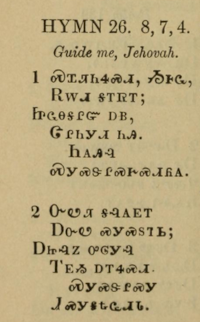
Cherokee Trail of Tears song
Guide me Jehovah as I walk thru this barren land
I am weak but thou art mighty
Forever hold us in thy powerful hand
Always always, help us - Always always
When I cross the Jordan River
Help me to still my fears
Bear me safely over
And I shall sing Thy praises eternally
Choctaw Hymn 53
An identical American folk tune from the early 1800s is used both in Star in the East (Southern Harmony) and this Choctaw hymn.
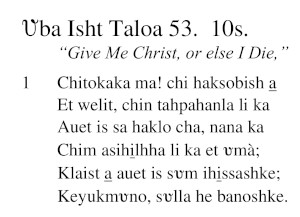
Indian Melodies - Thomas Commuck 1845
This song book by Thomas Commuck is a collection of "a number of airs which have been long in use among the Brothertown Indians." Though less well known among shape note song books, No. 104 in this book, "White Pilgrim," is still published in both the Denson and Cooper revisions of the Sacred Harp as "The Lone Pilgrim." The founder of The Brothertown Indian Nation, Samson Occom, was also a noted hymnist. His hymn "Ganges" is still included in the Cooper revision of The Sacred Harp